
Introduction
If you're receiving your salary in crypto, or paying your employees that way, you might be sitting on a time bomb and not even know it. It’s only a matter of time before a data breach exposes your sensitive information, leading to severe consequences.
In 2023, the United States witnessed 3,205 data compromises, with a staggering 73.7% resulting from cyberattacks.
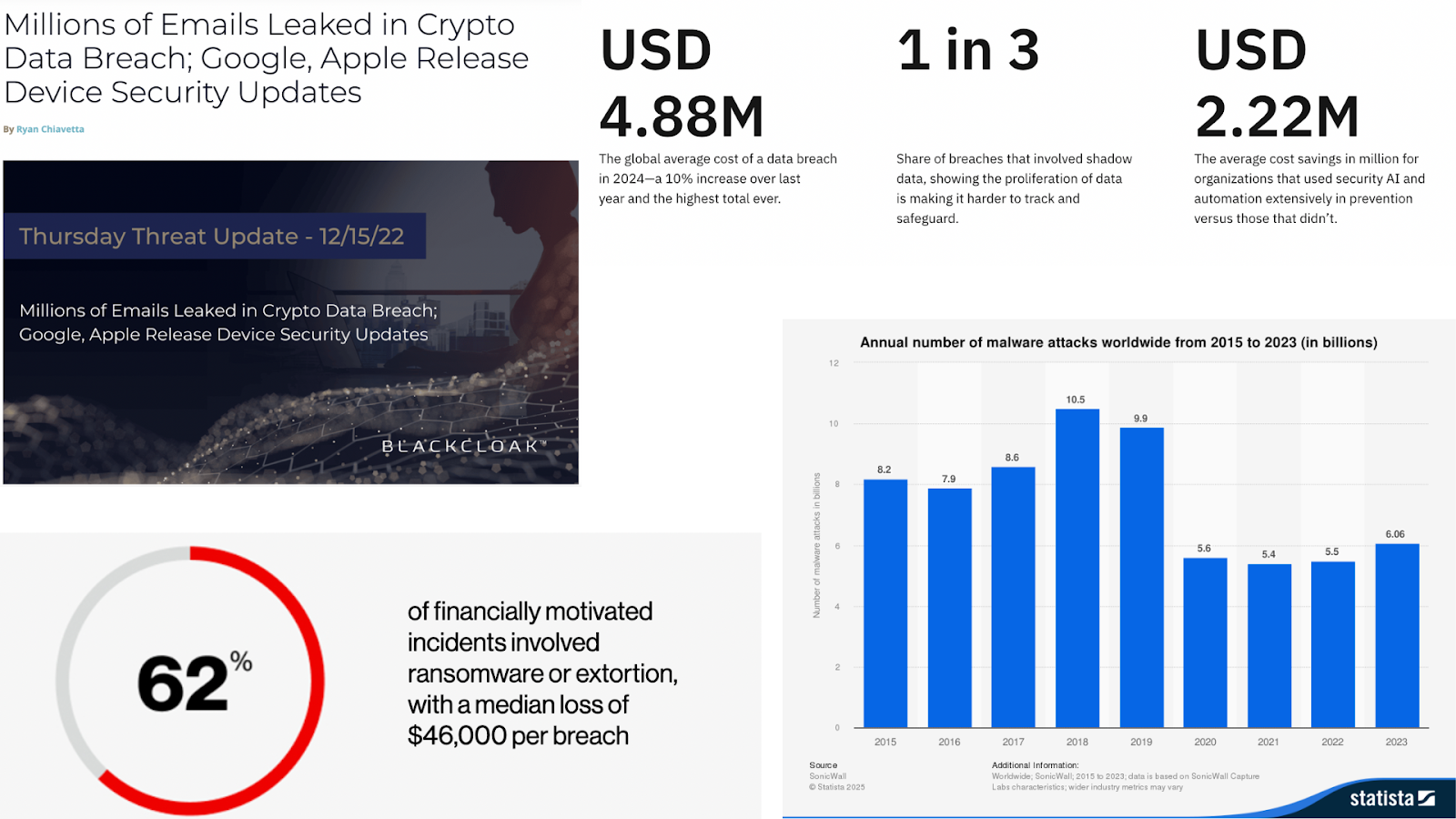
While traditional payroll systems are well-known targets, crypto payroll platforms are increasingly under threat.
For instance, Transak, a crypto payment processor, recently suffered a data breach affecting over 92,000 users, exposing personal information such as names, birthdays, and identification documents.
Legally, the consequences of such a breach can also damage your company’s reputation and lead to serious repercussions. Data protection laws in the U.S. mandate stringent measures for safeguarding personal information, and non-compliance can result in hefty fines and legal actions being taken against your company.
This blog explores the need of privacy in crypto payroll, the current landscape, and how Labyrinth offers a solution.
The Current Landscape
The adoption of cryptocurrency in payroll systems is following an upward trajectory. As of 2024, over 25% of businesses worldwide are utilizing cryptocurrency for payroll, a significant increase from 15% in 2023. This trend reflects a growing preference for efficient, cost-effective, and secure payroll processes.
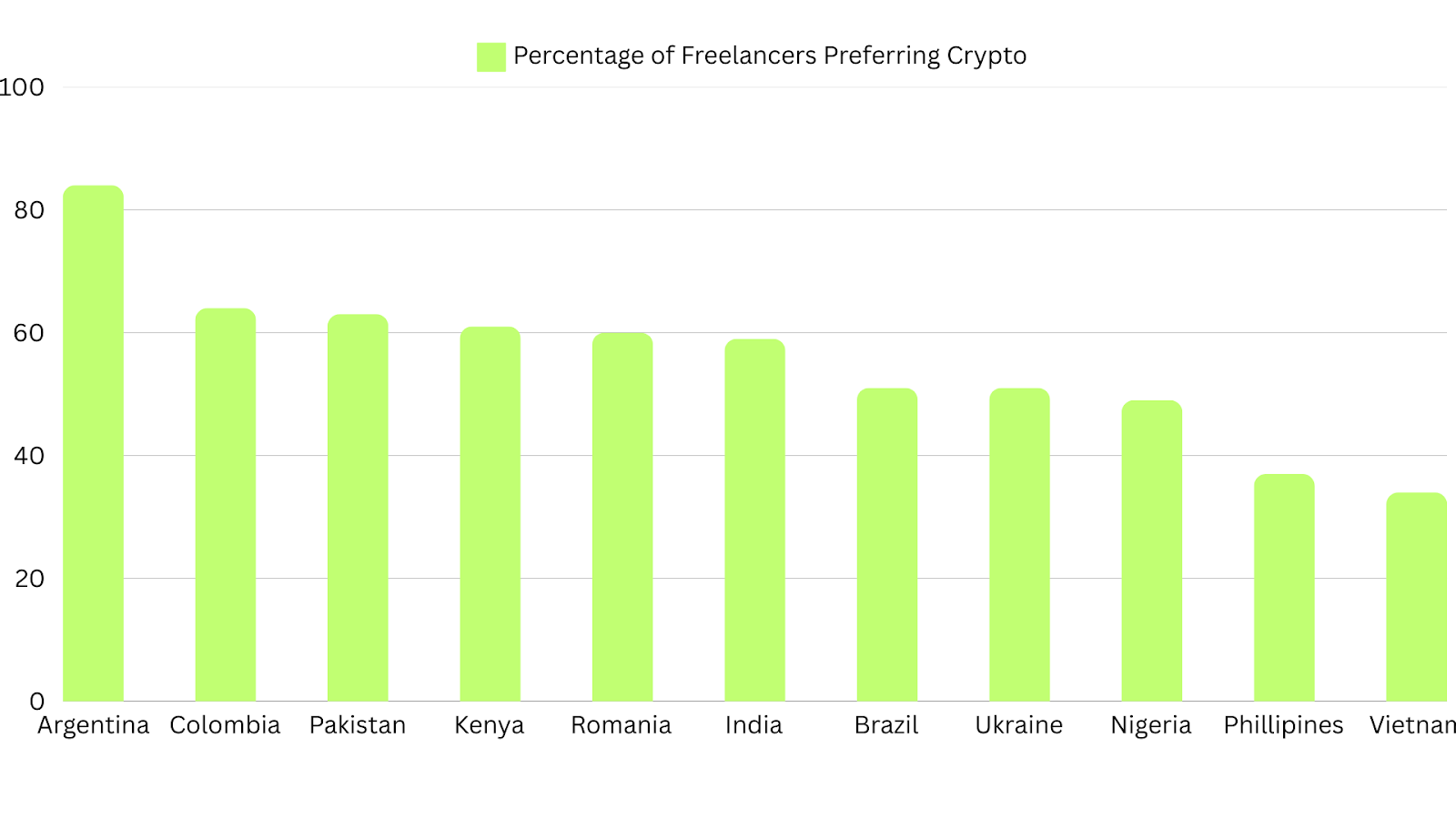
The gig economy mirrors this trend, with 60% of freelancers having received crypto payments at least once, and 28% preferring all earnings in digital currencies. Generational shifts are evident too—over half of Millennials and 56% of Gen Z are open to crypto salaries.
Countries like the U.S., India, and Nigeria are leading the way in crypto payroll adoption. However, this rapid growth also highlights the urgent need for strong data privacy measures to protect sensitive information.
Challenges
Despite its advantages, the integration of cryptocurrency into payroll systems presents several challenges:
- Reliance on Centralized Web2 Platforms: Many crypto payroll systems depend on centralized platforms for processing and management. This reliance can introduce vulnerabilities, as these platforms may lack the robust security measures necessary to protect sensitive payroll data. In-house systems, if not fortified with advanced cybersecurity safeguards like encryption and regular audits, can be susceptible to breaches and fraud.
- KYC Data Breaches: Know Your Customer (KYC) processes are essential for verifying user identities and preventing fraud. However, the storage of KYC data poses significant security risks. For instance, a data breach at a crypto payment processor exposed the information of over 92,000 individuals, including names, birthdays, and identification documents. Such incidents underscore the importance of robust data protection measures in crypto payroll systems.
- Transparency of Direct Wallet Transfers: While blockchain technology offers transparency, direct wallet transfers can inadvertently expose confidential salary information. Since blockchain transactions are publicly accessible, sensitive payroll details may become visible outside the organization, compromising employee privacy. This transparency, while beneficial for certain applications, poses challenges in maintaining confidentiality in payroll matters.
- Compliance Issues Across Jurisdictions: Cryptocurrency regulations vary significantly across different regions. Managing a crypto payroll for a geographically diverse workforce requires navigating a complex web of legal and tax implications. The evolving nature of cryptocurrency regulations adds to the complexity, necessitating continuous monitoring to ensure compliance and avoid legal complications.
- Technical Limitations: Implementing a crypto payroll system demands technical expertise and infrastructure investments. Organizations may face challenges integrating these systems with existing payroll processes, requiring careful resource allocation and coordination. Additionally, the volatility of cryptocurrency markets poses a risk to payroll stability, as the value of cryptocurrencies can fluctuate significantly, potentially affecting employee compensation.
Addressing these challenges is crucial for organizations considering or currently utilizing crypto payroll systems. Implementing robust security measures, ensuring compliance with regional regulations, and investing in the necessary technical infrastructure are essential steps to mitigate risks and harness the benefits of cryptocurrency in payroll.
Market Opportunities and Trends
The expanding adoption of crypto payroll systems opens several market opportunities:
- Growth of Crypto Payment Providers: The cryptocurrency payment market is projected to reach $338 billion, with an annual growth rate of 10.3%, indicating substantial opportunities for service providers in this space.
- Integration of Stablecoins: Stablecoins offer a solution to the volatility associated with cryptocurrencies, providing a more predictable medium for salary payments and enhancing employee confidence in receiving crypto compensation
- Advancements in Crypto Payroll Solutions: The development of comprehensive crypto payroll platforms that address compliance, security, and integration challenges is on the rise, facilitating smoother adoption for businesses.
What can be done
To address the challenges in crypto payroll systems, the following measures are recommended:
- Decentralized Payroll Platforms: Adopting decentralized platforms can reduce reliance on centralized systems, enhancing security and aligning with the core principles of cryptocurrency.
- Enhanced Data Privacy Measures: Implementing robust data encryption and secure KYC processes can mitigate the risks of data breaches, protecting sensitive employee information.
- Confidential Transaction Protocols: Utilizing technologies that enable confidential transactions can prevent the exposure of salary information on public blockchains, maintaining organizational privacy.
- Global Compliance Frameworks: Developing comprehensive compliance frameworks that accommodate the regulatory requirements of multiple jurisdictions can streamline international payroll operations.
- Scalable and User-Friendly Solutions: Investing in scalable, intuitive platforms can overcome technical barriers, facilitating seamless integration with existing financial systems and accommodating business growth.
How Labyrinth Solves the Problem
Labyrinth transforms payroll privacy by leveraging Zero-Knowledge proofs (ZKPs) to encrypt sensitive information while maintaining compliance through Decentralized Compliance (Decom). Here's how Labyrinth addresses these critical challenges:
- Abstracted Privacy: Your employees’ payroll data is shielded within a modular, encrypted layer that ensures sensitive details remain private—even from malicious actors.
- No KYC Hassles: By eliminating KYC while still enabling compliance, Labyrinth ensures smoother onboarding for businesses without sacrificing security or trust.
- Decentralized Compliance: With Decom, Labyrinth allows selective de-anonymization for audits or legal inquiries, balancing privacy with accountability.
- Unified Liquidity: Unlike fragmented solutions, Labyrinth ensures liquidity remains intact, enabling seamless payroll transactions without complications.
Labyrinth is redefining privacy not just in payroll, but beyond it. It’s not just a framework—it’s the future of how sensitive transactions are managed in a world demanding stronger security and greater trust.
Are you ready to secure your payroll processes? Visit Labyrinth and take the first step toward privacy and compliance excellence.